Can AI Empower Kashmir’s Overburdened Teachers?

Artificial intelligence offers a path to personalised teacher development, blended learning, and inclusive education if implemented thoughtfully
Aasima Aziz
The education system in the Kashmir Valley has long been a subject of intense discussion, often caught between aspirations for progress and the realities of prolonged unrest. While students and teachers alike have shown remarkable resilience in the face of political disruptions, frequent school closures, and intermittent internet shutdowns, a deeper structural challenge persists — the effectiveness of teacher education.
In many schools across the Valley, teachers remain the most crucial link in shaping the future of students, yet they often face a lack of modern training, limited exposure to digital tools, and traditional teaching methods that no longer meet the demands of today’s learners.
In rural districts such as Kupwara, Bandipora, and Ganderbal, the situation is especially acute. Many schools are yet to be equipped with functional computer labs or reliable internet connections. Even basic digital devices are scarce in several government-run institutions. This digital divide significantly limits the ability of teachers to experiment with interactive teaching methods or integrate technology into their classrooms. Consequently, students miss out on opportunities to engage with modern educational resources that could enrich their learning experiences.
Equally concerning is the quality of teacher training available. Many educators, including Rehbar e Taleem (ReT) teachers and others who have been regularised over the years, often lack professional preparation aligned with contemporary pedagogical practices. Classroom instruction frequently remains lecture-based and focused on rote memorisation, leaving little room for critical thinking, creativity, or student-centred learning. Teachers, despite their dedication, are often ill-equipped to adapt to the rapidly evolving educational landscape.
Socio-cultural factors further complicate the situation. In addition to traditional teaching methods, the growing presence of mobile phones and social media in students’ lives has created new distractions in classrooms. Teachers now face the dual challenge of maintaining discipline while attempting to make lessons engaging and relevant. Many express a sense of isolation, lacking the mentorship and guidance necessary to navigate these complex dynamics effectively.
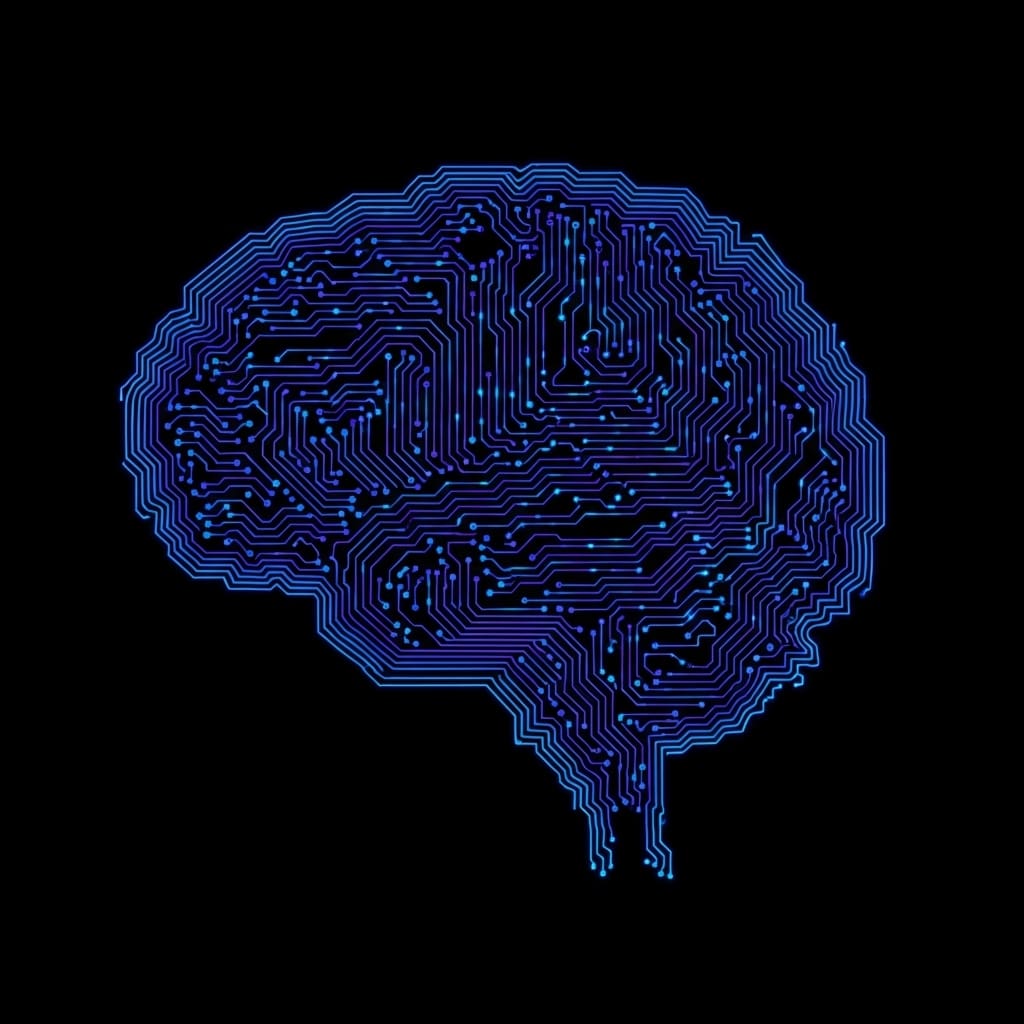
It is in this context that Artificial Intelligence (AI) emerges as a potentially transformative tool. AI is not a distant concept confined to laboratories or futuristic schools. It is already being applied worldwide to support educators in creating more personalised, engaging, and efficient learning experiences. In Kashmir, thoughtfully implemented AI solutions can empower teachers to become facilitators of learning, helping them address individual student needs while reducing the burden of routine administrative tasks.
One of the most promising aspects of AI in education is its ability to personalise professional development for teachers. Instead of one-size-fits-all training workshops, AI platforms can assess each educator’s strengths and weaknesses, creating tailored learning pathways that allow teachers to grow at their own pace. This approach ensures that professional development is relevant, practical, and immediately applicable in the classroom. Teachers can explore modules on classroom management, assessment strategies, modern pedagogical techniques, and subject-specific skills, all customised to their specific needs.
AI can also support teachers in day-to-day classroom management and lesson preparation. Intelligent systems can suggest lesson plans, activities, and teaching resources based on grade level, subject matter, and students’ learning levels. This not only saves time but also ensures that lessons are engaging, interactive, and pedagogically sound. Real-time analytics provided by AI can help teachers identify students who are struggling, track learning patterns, and adjust teaching methods accordingly. Such insights are invaluable in creating a classroom environment where no student is left behind.
For a region like Kashmir, where schools often face disruptions due to political unrest or natural calamities, AI-powered blended learning models can be a game-changer. Virtual classrooms, adaptive quizzes, interactive simulations, and digital content can supplement traditional instruction, enabling students to continue learning even when they cannot physically attend school. Teachers can monitor progress remotely, identify gaps in understanding, and intervene in a timely manner. AI can also support multilingual education by generating content in Kashmiri, Urdu, and English, making learning more accessible and inclusive for students from diverse linguistic backgrounds.
However, adopting AI in education is not without its challenges. Many schools still lack the infrastructure necessary to implement these tools effectively. Reliable internet, digital devices, and electricity are prerequisites for AI-driven solutions, and investments in these areas must be prioritised. Equally important is teacher readiness. Educators must be trained not only in using AI tools but also in understanding data privacy, ethical use, and responsible integration of technology in teaching. Without these foundational steps, the potential of AI cannot be fully realised.
Another critical aspect is equity. AI tools must be designed to work on low-cost devices, function offline when needed, and accommodate students from varied socio-economic backgrounds. Ensuring that these tools are inclusive prevents the risk of widening existing educational disparities and helps create a system that benefits all students equally.
The potential impact of AI extends beyond lesson planning and professional development. Administrative efficiency is another area where technology can play a transformative role. Automated systems can track attendance, grade assignments, generate reports, and maintain records with minimal human intervention. This allows teachers to spend more time engaging with students, focusing on teaching, mentoring, and building meaningful relationships rather than being consumed by paperwork.
Looking ahead, the vision is compelling. Imagine a teacher in a remote village using an AI assistant to design a lesson plan tailored to the needs of her students. The system can recommend interactive exercises, quizzes, and real-time feedback mechanisms, while also highlighting which students require additional attention. In another school, a teacher might participate in an AI-driven professional development program that adapts to her learning style, providing resources and guidance precisely when she needs it. Across the Valley, such tools can foster a community of educators who are confident, innovative, and capable of navigating the challenges of modern classrooms.
Achieving this vision will require coordinated efforts among government authorities, educational institutions, technology companies, and non-profit organisations. Teacher training programmes must integrate AI literacy alongside pedagogical skills. Investments in infrastructure, particularly in rural areas, are essential to bridge the digital divide. Public-private partnerships can accelerate the deployment of AI tools, ensuring they are tailored to the local context, culturally relevant, and accessible even in low-resource settings. Continuous monitoring and evaluation will help refine these interventions, ensuring they genuinely enhance teaching quality and learning outcomes.
The adoption of AI in teacher education should never be viewed as a replacement for human effort. Rather, it is a powerful ally that can augment the capabilities of teachers, providing them with insights, resources, and support that were previously unavailable. By combining human dedication with technological innovation, Kashmir can build an education system that is resilient, inclusive, and future-ready.
Ultimately, the goal is simple yet profound: to empower teachers so they can inspire and guide every student to reach their full potential. Every classroom in the Valley should be a space where teachers are confident, students are engaged, and learning is dynamic. With AI as a supportive partner, Kashmir has the opportunity to transform its educational landscape, ensuring that future generations are equipped with the knowledge, skills, and critical thinking abilities necessary to thrive in a rapidly changing world.
The journey will require vision, investment, and collaboration, but the destination promises a profound impact. When teachers are empowered, communities flourish, and students are inspired to learn, the Valley will not only overcome its educational challenges but also set an example for innovation and resilience in education across the country. In the end, technology is merely a tool; it is the people — the teachers, students, and communities — who will shape the true future of education in Kashmir.
The writer is pursuing MA in English Literature at Kashmir University
aa**********@***il.com
link