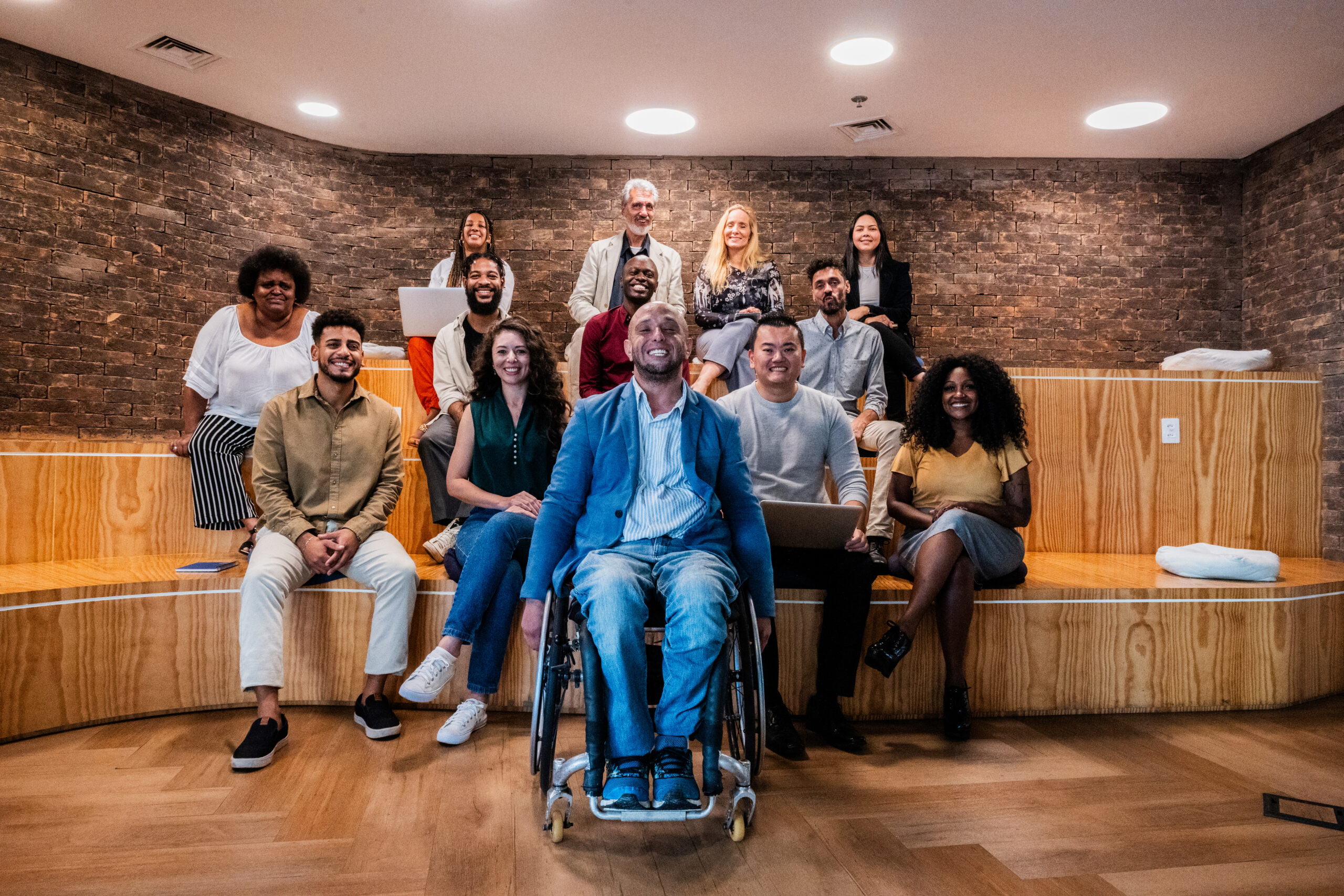
Teachers enrolled in UWI Special Ed Master’s Program highlight gaps in regional support systems

– Advertisement –
By Kisean Joseph
[email protected]
Four students enrolled in the University of the West Indies’ Special Education Master’s Program highlighted gaps in regional support systems for students with disabilities during a public forum yesterday, while showcasing innovative approaches being developed through their coursework.
The students, participating in Dr. Kwasi Tonge’s “Teaching Functional and Life Skills to Students with Disabilities” course, used the Observer AM platform as part of their public engagement assessment to discuss both progress and persistent challenges in Caribbean special education.
“Students who present with special needs have a right to education that is by law,” said Anique Adams, who teaches at one of Antigua’s four secondary schools designated for level-four special needs students. “We have to make sure that the playing field is level for them in order to access that education in an equitable manner.”
Adams emphasized that the 2017 Antigua and Barbuda Disabilities Act mandates reasonable accommodations, not optional courtesies. These include assistive technology, preferential seating, extra time for exams, and modified assessment methods.
However, the students revealed troubling gaps between policy and practice. Jekilia Browne noted that while teachers can make classroom accommodations, curriculum modifications require approval from the Ministry of Education—a process that often leaves students inadequately served.
“The issue that I am having, we say inclusive education but the children are just integrated into the classroom because the content, the curriculum, is not modified enough to meet their needs,” Browne explained.
The challenges extend beyond the curriculum. Kirsten Dawson, participating from UWI’s Mona Campus in Jamaica, described how overcrowded classrooms with 30-40 students make individualized attention nearly impossible.
“Unfortunately, the current setup almost seems as though we are punishing students with disabilities for their disability, as opposed to really assisting them,” Dawson said.
The students demonstrated sophisticated understanding of evidence-based teaching methods, including contextualizing activities, using visual cues, and breaking complex tasks into manageable steps. They emphasized the importance of teaching social and emotional awareness explicitly, noting that students with special needs often struggle with interpersonal skills crucial for future employment.
“One of the main things working with students with disabilities is to help develop in them a sense or a level of independence,” Dawson explained, describing how practical life skills like dish washing or tooth brushing require systematic, repeated instruction.
A concerning issue raised was teacher burnout. Adams, who teaches foreign language to special needs students, called for better administrative support and stressed the critical need for educator self-care.
“Burnout is real, not just for general education teachers, but of course, even moreso for us as special needs teachers,” she said, noting that inadequate support systems affect both teacher well-being and student outcomes.
About The Author

– Advertisement –
link